


Cow Dung Cakes as a Traditional Fuel: Uses, Advantages and Limitations
Cow dung cakes have been used as a traditional fuel in rural households for generations. Before modern cooking fuels became widely available, many families relied on locally available materials such as dried cow dung, wood and agricultural waste to meet their daily cooking needs. Even today, cow dung cakes remain relevant in certain communities because they are relatively simple to prepare and use locally available resources.
However, traditional use does not automatically make a fuel suitable for every household. Understanding how cow dung cakes are made, where they are used, and what limitations they have can help people make informed decisions about their applications.
What Are Cow Dung Cakes?
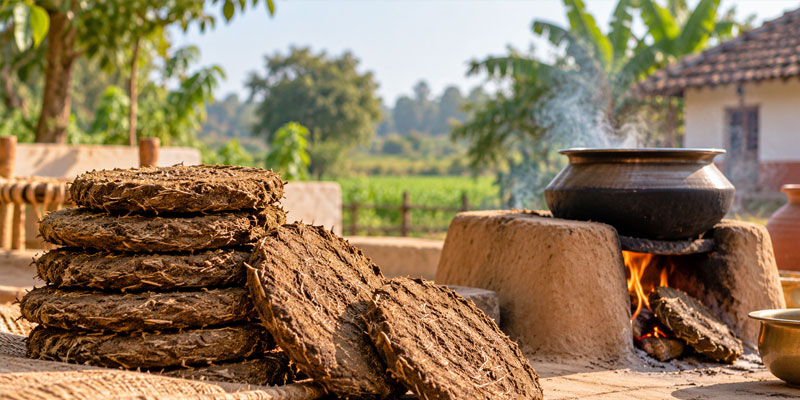
Cow dung cakes are formed by shaping fresh cow dung into flat or round patties and drying them naturally, usually under sunlight. Once the moisture has evaporated sufficiently, the cakes become firm and can be used as a combustible material.
Their quality depends on several factors, including the moisture content of the raw material, preparation methods, drying conditions and storage practices. Poorly dried cakes may be difficult to burn efficiently, while damp storage can lead to deterioration.
In many rural areas, these cakes have traditionally been made at home. Today, they are also prepared and supplied commercially for customers who need them for specific traditional or cultural applications.
How Are Cow Dung Cakes Used as Fuel?
The most familiar application is traditional household cooking. In some rural communities, cow dung cakes are burned in a clay stove or a similar cooking structure to prepare meals and heat water. Their availability in areas where cattle are raised has historically made them a practical option for households with limited access to commercial fuels.
The cakes are generally dried before use because moisture makes ignition more difficult. They are then placed in a suitable combustion area and burned to generate heat.
Cow dung cakes may also be used in certain traditional heating practices and rural settings where local customs support their use. However, their applications vary by region, household requirements and cultural practices.
It is important to distinguish fuel use from ceremonial use. Some people purchase cow dung cakes for religious rituals, while others use them for cooking or other traditional purposes. These applications may require different product sizes, shapes and packaging.
Advantages of Cow Dung Cakes as a Traditional Fuel
1. Use of Locally Available Resources
In areas with cattle farming, cow dung is a readily available by-product. Turning it into dried cakes provides a practical way to use a material that might otherwise be discarded or managed differently.
2. Simple Preparation Process
Making cow dung cakes does not necessarily require complex machinery. The traditional process involves shaping the material and allowing it to dry. This simplicity has helped the practice continue across generations.
3. Relatively Low Material Cost in Some Areas
Where raw material is locally available, the cost of producing cow dung cakes may be relatively low. However, the final price depends on labour, drying time, transportation, packaging and local demand. Therefore, they are not automatically cheaper than every alternative fuel.
4. Support for Traditional Practices
Cow dung cakes remain important in some cultural and religious settings. Their continued use supports familiar practices and creates demand for products made using traditional methods.
5. Potential Use of Agricultural By-Products
Converting cattle waste into a usable product can be part of a broader approach to agricultural resource management. Nevertheless, the overall environmental benefit depends on how the material is collected, processed, transported and ultimately used.
Limitations You Should Consider
Despite their traditional importance, cow dung cakes have several limitations when used as fuel.
1. Smoke and Indoor Air Pollution
Burning cow dung cakes produces smoke and fine particulate matter. Exposure can irritate the eyes and respiratory system and contribute to indoor air pollution, particularly in poorly ventilated kitchens. For regular household cooking, cleaner fuels and properly designed cooking systems are generally preferable from a health perspective.
2. Variable Heat Output
The amount of heat generated depends on moisture content, density, size and combustion conditions. Unlike standardised commercial fuels, traditionally prepared cakes may vary considerably from one batch to another.
3. Drying and Storage Requirements
Fresh cow dung cannot be used in the same way as properly dried cakes. The material needs adequate drying time, and the finished product must be protected from rain and moisture. Damp products can be harder to ignite and may deteriorate during storage.
4. Handling and Transportation
Cow dung cakes are relatively bulky compared with some concentrated fuels. They require suitable packaging and careful handling during transport, particularly when they are being supplied over long distances.
5. Environmental Considerations
Although cow dung is a renewable biological material, burning it still releases particulate pollution and greenhouse gases. Its environmental impact should not be assumed to be lower than that of every other fuel. The result depends on the alternative being compared and the conditions under which combustion takes place.
How to Identify Good-Quality Cow Dung Cakes
Whether the intended application is traditional fuel use or another purpose, product quality matters. Buyers should consider the following factors:
- Dryness: The cakes should be adequately dried and should not feel excessively damp.
- Consistency: Similar sizes and thicknesses can make handling and packing easier.
- Physical condition: Excessive crumbling or visible deterioration may indicate poor handling or storage.
- Packaging: Packaging should protect the product from moisture and minimise breakage during transport.
- Intended application: Fuel-grade products and products intended for religious or other uses may have different buyer requirements.
Businesses sourcing products in bulk should also ask about production methods, storage conditions, packaging specifications and applicable import requirements.
Finding a Reliable Cow Dung Cakes Supplier
For commercial buyers, choosing a suitable supplier involves more than comparing prices. Product consistency, dependable communication, packaging quality and the ability to meet order requirements are all important considerations.
Businesses searching for a cow dung cakes supplier should clarify the intended use, required quantity, preferred packaging and delivery expectations before placing an order.
For buyers importing these products, finding a cow dung cakes supplier UAE may also involve checking customs requirements, documentation, product labelling and applicable import restrictions. These requirements should be verified before shipment rather than assumed to be the same for every product or application.
A reliable sourcing decision starts with clear specifications and realistic expectations about quality, transportation and total landed cost.
Final Thoughts
Cow dung cakes have a long history as a traditional fuel, particularly in rural communities where cattle farming makes the raw material accessible. Their simple preparation and connection with local practices explain why they continue to be used in certain settings.
At the same time, smoke emissions, variable heat output, drying requirements and transportation challenges limit their suitability for some modern applications. Buyers should assess these factors carefully and prioritise safer, cleaner alternatives where regular cooking or indoor heating is required. Understanding both the advantages and limitations of cow dung cakes allows households and businesses to make more informed choices based on their actual needs.